
Loading...
Serving Coconut Creek, FL and surrounding areas. (954) 306-2112
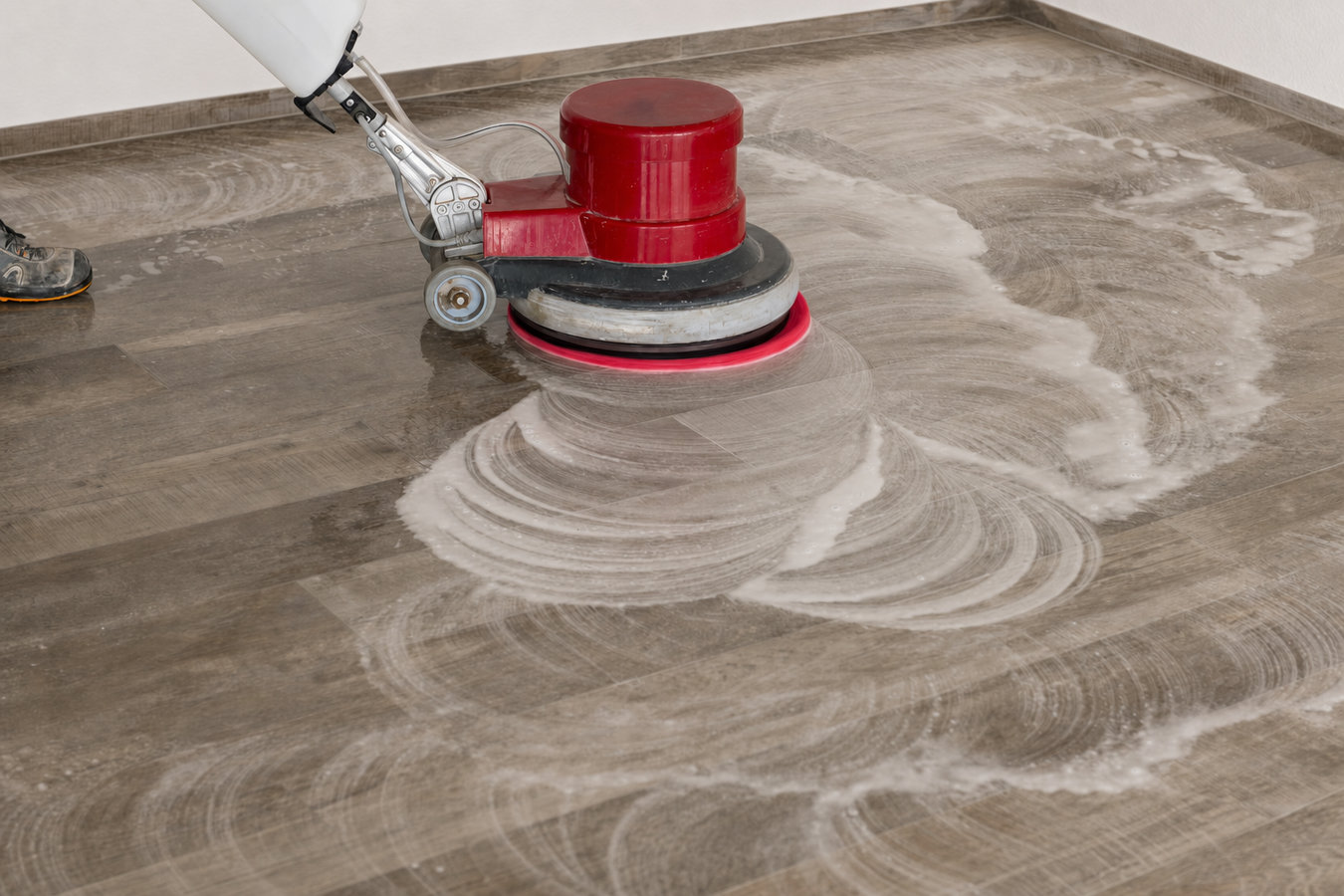
Old coatings, stubborn adhesives, and failing slabs have to come off completely before anything new will stick. We strip floors clean and handle the mess so your next project starts on solid ground.
Concrete floor stripping in Coconut Creek means removing an existing concrete surface or coating - including any adhesives, old flooring, or previous finishes bonded to it - so the space is ready for something new, and a standard single-room residential job typically takes one full day.
Nearly all homes in Coconut Creek are built on slab-on-grade foundations - concrete poured directly on the ground with no basement or crawl space. That slab is the structural base of your home, which means any stripping or removal work has to be done carefully and selectively. Much of Coconut Creek's housing stock was built between the 1970s and early 2000s, and homes from that era often have original flooring materials - terrazzo, vinyl tile, ceramic tile - bonded to the slab with adhesives that are now decades old. Some of those adhesives may contain asbestos-containing materials, which is why a responsible contractor asks about the age of your home before quoting and before any grinding or scraping begins.
Once the surface is stripped clean, the exposed slab needs to be assessed for moisture - especially important in South Florida's high-humidity environment - before any new coating or flooring goes down. If you are planning new concrete coatings after the stripping work, our concrete grinding and surface preparation service handles the final profile and moisture prep before installation.
If the painted or sealed surface on your concrete floor is lifting in patches or peeling away from the slab, the bond between the coating and the concrete has failed. In Coconut Creek's humid climate, moisture pushing up through the slab from below is one of the most common reasons this happens. Once the bond is broken, patching over it will not hold - the old coating needs to come off completely before anything new will stick.
Many Coconut Creek homes from the 1970s through 1990s have original ceramic or vinyl tile bonded to the slab with a thick, tar-like adhesive. When the tile comes up, that adhesive stays behind in a rough, uneven layer that new flooring cannot be installed over. Stripping the slab clean is the only reliable way to get a flat, bondable surface for whatever goes down next.
If you can hear a hollow sound when you walk across certain areas, or if cracks have grown wide enough to catch a coin, the slab surface may have deteriorated to the point where it needs to be removed rather than patched. Small hairline cracks are normal in any concrete floor, but a pattern of wider cracks running across the room is worth having a professional assess before investing in new flooring on top.
If you are turning a garage into a living area, finishing a utility room, or renovating a bathroom where the old floor has years of staining or incompatible materials, starting with a clean slab is often the most practical choice. Trying to install new flooring over a compromised surface is one of the most common reasons renovation projects fail within the first few years.
We handle coating removal, adhesive stripping, and full slab removal across Coconut Creek homes and garages. Every job uses dust-containment equipment - plastic sheeting over doorways, industrial vacuums attached to grinding equipment - so the rest of your home stays clean while we work. Concrete dust contains fine silica particles, and professional dust control is not optional. Debris removal and hauling is included in every written quote we provide, so you are not surprised by a separate disposal fee at the end.
Before any grinding or scraping begins on older homes, we ask about the original flooring materials and the age of the home. For homes built before the mid-1980s, we recommend - and in some cases require - adhesive testing before we quote final pricing. Once stripping is complete, the surface needs proper preparation before a new floor can go down. Our concrete grinding and surface preparation service completes that step. If you are moving straight into a new epoxy or coating installation, our epoxy floor coatings service picks up right where the stripping work leaves off.
Best for homeowners who need the existing coating, paint, or adhesive removed from the slab without disturbing the concrete itself - the right choice before new epoxy or tile goes down.
For slabs where the top layer has deteriorated but the structural concrete beneath is sound - we remove the damaged surface without cutting into the slab, leaving a clean profile for new material.
Suited for garages, patios, or utility spaces where the slab has failed completely and the area needs to be taken back to bare soil before new concrete is poured - includes debris hauling.
For homeowners converting a space or handing off to another trade for new flooring - we clear the existing floor completely and leave a surface ready for the next phase of work.
South Florida's humidity sets Coconut Creek apart from most of the country when it comes to stripping and removal work. Average annual humidity in Broward County regularly exceeds 75%, and the rainy season runs from June through October. Concrete slabs here absorb moisture from below as well as above, which means old coatings and adhesives can be bonded differently - and sometimes more stubbornly - than they would be in a drier climate. Moisture under a slab also means that once the stripping is done, the exposed subgrade needs to be inspected and addressed before any new material goes down. Skipping that step is the most common reason new floors fail in Coconut Creek homes within a few years of installation. Homeowners in Margate and Tamarac face the same slab and soil conditions and the same moisture considerations.
The age of Coconut Creek's housing stock adds another layer. Most of the city's residential development happened between the 1970s and the early 2000s. Homes from that era - particularly those built before the mid-1980s - may have floor adhesives that contain asbestos-containing materials under original vinyl or ceramic tile. The U.S. Environmental Protection Agency provides guidance on asbestos-containing materials and when testing is required before disturbance. We ask about home age and original materials on every job - it is not a question worth skipping.
When you call or message us, the first thing we want to do is see the space - not just get measurements over the phone. We can schedule a walkthrough within one business day. The condition of the slab, what is bonded to it, and how equipment gets in and out all affect the timeline and price in ways that cannot be assessed remotely.
We examine the slab, the type and thickness of any existing coating or adhesive, and access to the space. If your home was built before the mid-1980s, we ask about the original flooring and may recommend adhesive testing before quoting. You receive an itemized written estimate - labor, equipment, and debris removal listed separately.
Before the crew arrives, remove everything from the work area - furniture, appliances, stored items. If large appliances are sitting on the slab, let us know in advance. The more prepared the space is when we arrive, the smoother and faster the job goes. Your preparation directly affects the schedule.
The crew sets up dust containment, completes the removal work, loads all debris, and hauls it away - included in your quote. We then walk you through the finished surface so you can see the result before we leave and ask about any next steps or subgrade conditions before the space is handed off.
Free itemized quote. We cover debris removal. We reply within one business day.
(954) 306-2112South Florida homes are lived in year-round - there is no off season when you can just close up a room for a week. We use plastic sheeting, sealed doorways, and industrial vacuums attached to grinding equipment on every job. Your family can go back to normal life the same day the crew packs up. The OSHA silica standard requires dust controls for concrete grinding work, and we follow them on every project.
A single square foot of concrete slab weighs roughly 12 pounds. A 400-square-foot job generates a significant amount of material. Debris removal is included in our written quotes - we do not present you with a separate disposal fee after the job is done. Every quote breaks out labor, equipment, and hauling separately so you can compare accurately.
Coconut Creek has a large number of homes built in the 1970s through 1990s. Before any grinding or scraping begins, we ask about the original flooring and the age of the home. If there is any possibility of asbestos-containing materials in the adhesive, we address it before work starts - not after. That conversation protects your family and keeps the project on the right track.
Broward County has specific rules about when permits are needed for concrete work, and the consequences of skipping one can follow you for years - especially when selling your home. We handle the permit question at the start of every project. You know before work begins whether your job requires a permit, not after it is already done.
Dust control, transparent pricing, older-home awareness, and permit clarity - those four things are what separate a stripping job done right from one that creates more problems than it solves.
Once the old floor is stripped clean, epoxy coatings give your slab a durable, attractive finish suited for garages, basements, and commercial spaces.
Learn MoreAfter stripping, proper grinding and surface profiling ensures your new coating bonds tightly and lasts - the critical step between removal and installation.
Learn MoreWe are booking jobs in Broward County now - spots fill quickly before rainy season. Get your written quote and lock in your date.