
Loading...
Serving Coconut Creek, FL and surrounding areas. (954) 306-2112
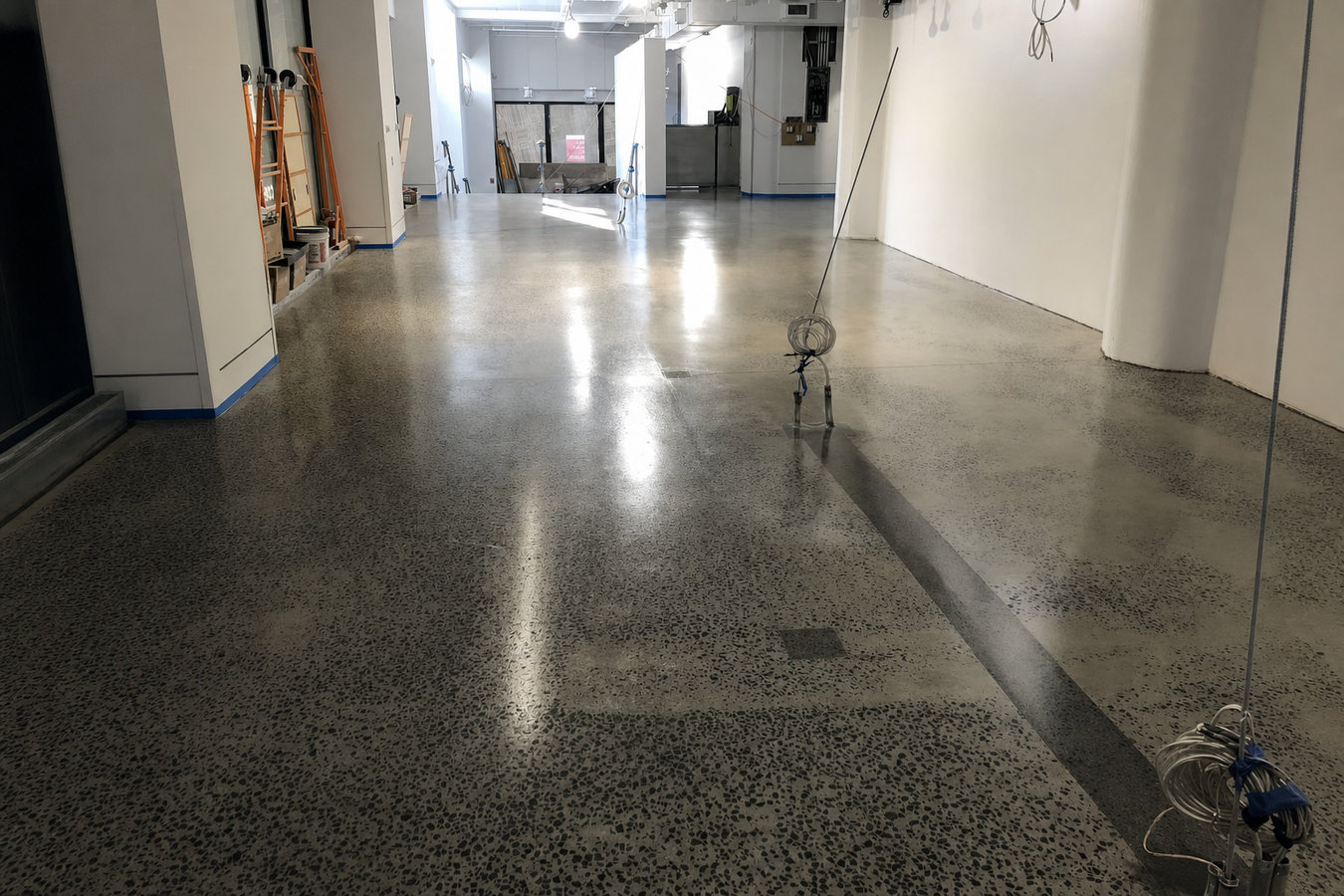
South Florida rain, UV exposure, and staining agents wear down unprotected concrete fast. A properly applied sealer keeps water out, color in, and your surface looking cared for.
Concrete sealing in Coconut Creek puts a protective layer over your driveway, patio, or pool deck that sheds water, resists staining, and slows UV breakdown - most residential jobs take a few hours to apply, then 24 to 48 hours to cure before foot traffic.
Florida's combination of heavy rain, intense UV exposure, and high humidity creates conditions that break down unsealed concrete faster than most other parts of the country. In Coconut Creek, where many homes were built in the 1980s and 1990s, a driveway or patio that has never been professionally sealed is already absorbing every rainy season's worth of water - and that water is quietly widening small cracks over time. The University of Florida IFAS Extension notes that sealing is a basic maintenance step for Florida concrete, not an optional upgrade. Once the surface is protected, you can also consider concrete resurfacing and overlays if the appearance needs more than a fresh sealer can provide.
Sealing is also one of the least expensive things you can do to extend the life of concrete that is still in good shape - far cheaper than replacing a driveway or patching a slab that has absorbed a decade of Coconut Creek rain.
Pour a cup of water on your driveway or patio. If it soaks in and leaves a dark wet spot within a minute, your sealer has worn away and the concrete is unprotected. This is the clearest sign it is time to reseal, and any homeowner can do this test in under a minute.
In Coconut Creek's rainy season, unsealed concrete often develops a chalky white or gray residue on the surface after water dries. This is efflorescence - it happens when water pulls minerals up through the concrete and leaves them behind as it evaporates. It signals that water is moving through your concrete freely, which leads to bigger problems over time.
Coconut Creek's intense sun bleaches concrete over time, leaving it looking washed out and gray. If your concrete has lost its depth of color or looks noticeably lighter than it did a few years ago, UV damage is likely the cause. A fresh sealer can restore a lot of that appearance while also protecting the surface going forward.
Dark oil spots from a parked car or orange rust stains from metal furniture or irrigation water mean your concrete is absorbing those substances rather than repelling them. Sealed concrete resists staining because liquids cannot penetrate the surface. Once stains are set in they are hard to remove - this is a good signal to act before the problem gets worse.
We seal driveways, patios, pool decks, garage floors, and lanais throughout Coconut Creek and surrounding Broward County communities. Every job starts with thorough cleaning and any crack repair that is needed - applying sealer over a dirty or cracked surface just locks in the problem and shortens the life of the product. For surfaces with significant wear or damage, we often recommend pairing the sealing work with concrete grinding and surface preparation first, which opens the pores so the sealer bonds deeper and lasts longer than it would on a smooth, unprepared surface.
When a surface has gone beyond what sealing alone can restore, we can discuss concrete resurfacing and overlays as a next step. Resurfacing rebuilds the surface layer before a new sealer or decorative finish goes down, giving you a result that looks like new rather than just protected. We walk through both options during the estimate so you can make an informed decision about what your surface actually needs.
Suits homeowners with unsealed or worn driveways that are absorbing water, showing UV fading, or starting to develop surface stains.
Suits outdoor living spaces where standing water after rain, sun exposure, and bare feet mean a durable, non-slip sealed surface matters.
Suits pool deck surfaces that need both water resistance and grip - especially important in Coconut Creek where afternoon rain is a daily reality in summer.
Suits garage floors that need basic protection against oil drips, tire marks, and moisture vapor without a full coating system.
Coconut Creek averages more than 250 sunny days per year, and the UV exposure here is significantly stronger than in most of the country. That UV radiation breaks down the protective layer in your sealer faster than it would in a northern climate - which is why local contractors often recommend resealing every two to three years rather than every four or five. Coconut Creek also sits on porous limestone and sandy soil that does not hold concrete as firmly as denser soils in other regions, making small surface cracks more common and sealing more urgent. The rainy season from June through September brings near-daily downpours that push water into any crack in unprotected concrete.
Homeowners in Margate and Pompano Beach face the same climate pressures - the same rainy season, the same intense sun, and the same slab-on-grade construction that sits close to a high water table. We work across all of these communities and apply the same preparation discipline and product selection on every job, whether it is a small backyard patio or a large commercial driveway.
We reply within one business day to schedule a free on-site estimate. The contractor will measure your surface, check its condition, and walk you through your sealer options. Written quote provided before anything is agreed to.
A good contractor explains what the quote includes - cleaning, crack repair if needed, number of coats, and the type of sealer. This is the right time to ask about HOA restrictions if you live in a managed community, so the finish you choose meets your association's guidelines.
On the day of the job, the crew starts with pressure washing and degreasers for any oil or rust stains. Any cracks that need filling are addressed before the sealer goes down. The concrete then has to dry completely - this step can take an hour or more and should not be rushed.
Once the surface is clean and dry, sealer is applied in one or two even coats. Plan to stay off the surface for at least 24 hours, and 48 to 72 hours before parking a vehicle on a sealed driveway. Your contractor should give you a clear curing timeline before they leave.
Free on-site estimate. No pressure. We reply within one business day.
(954) 306-2112We tell Coconut Creek homeowners to expect resealing every two to three years - not every five - because our climate is genuinely harder on sealers than most of the country. You will not hear us push unnecessary work, but we will be straight with you about what this climate requires.
Concrete sealing can only be done on a dry surface. We schedule jobs in Coconut Creek's October-through-May dry season whenever possible and will reschedule rather than apply sealer to a damp surface. A sealer applied wrong in humid conditions will blush, bubble, or fail within months.
A significant share of Coconut Creek's neighborhoods fall under HOA rules that restrict high-gloss or tinted finishes on driveways. We ask about HOA requirements during every estimate so you choose a product upfront that meets your association's guidelines - not after a complaint arrives.
Coconut Creek's sandy limestone soil means small cracks develop and widen faster than homeowners expect. We check every surface for cracks that need repair before sealing - because sealing over an untreated crack just locks in a problem rather than protecting against it.
The Portland Cement Association describes sealing as one of the most effective ways to extend the service life of concrete - and in a climate like Coconut Creek's, that guidance applies more directly than almost anywhere else. We choose products and timing with that standard in mind on every job we take.
When sealing alone is not enough, a concrete overlay can restore heavily worn or damaged surfaces before a new protective finish is applied.
Learn MoreGrinding opens the concrete pores so sealers bond properly and last longer - the step that determines whether a sealing job holds.
Learn MoreCall today or fill out the form - the dry season is the best window to get this done, and spots fill up as fall approaches.